
Ambergris Caye Belize Travel Tips
Ambergris Caye Travel Tips #2
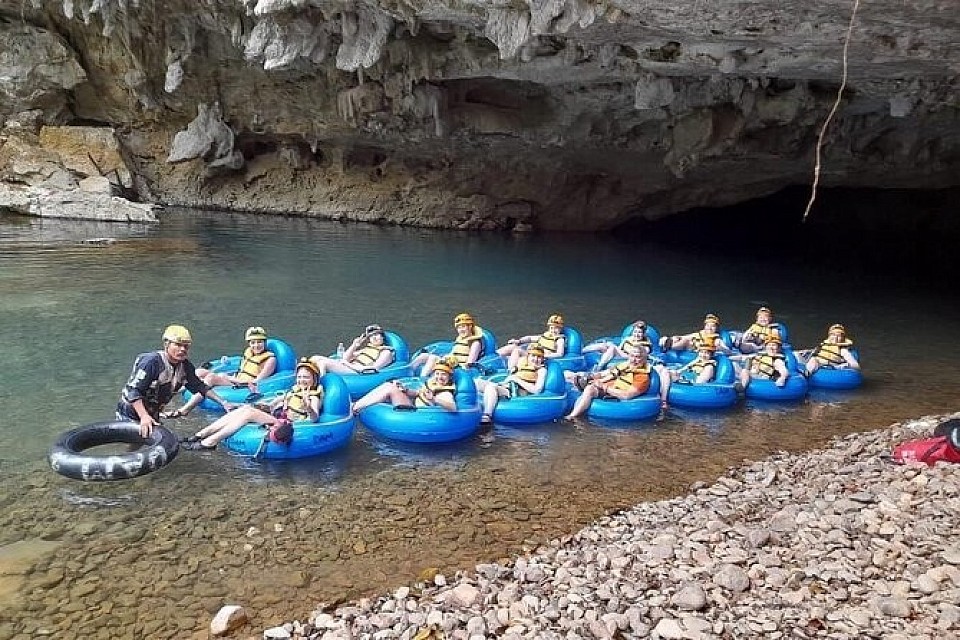
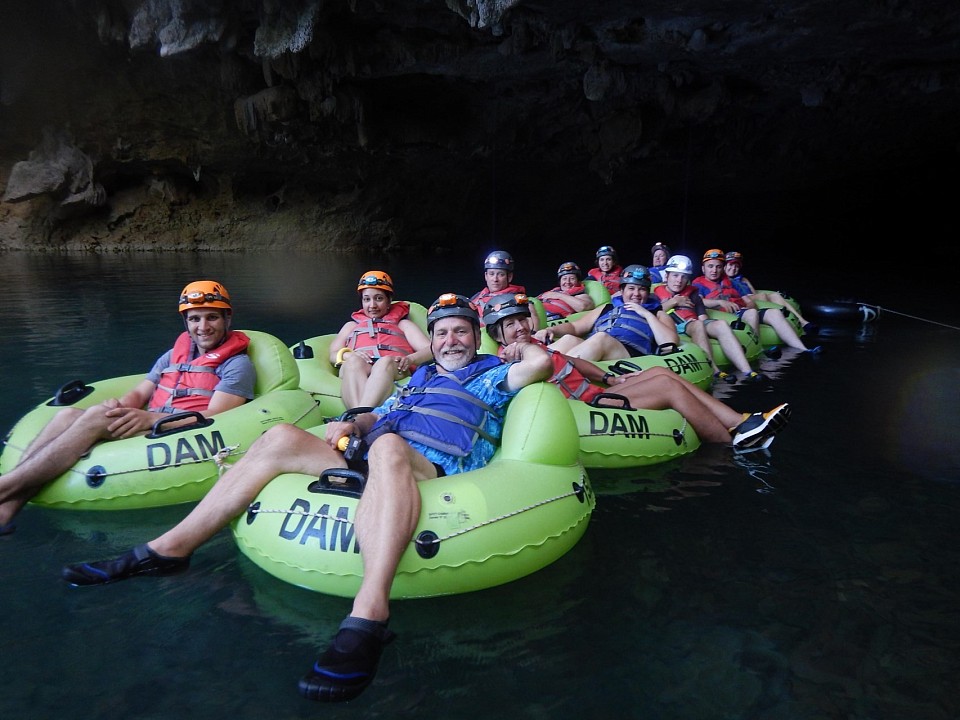
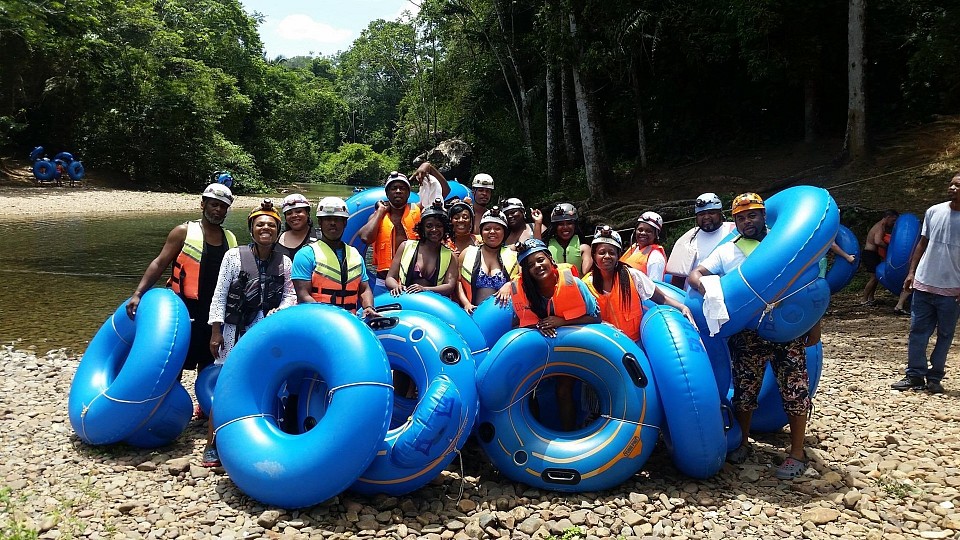
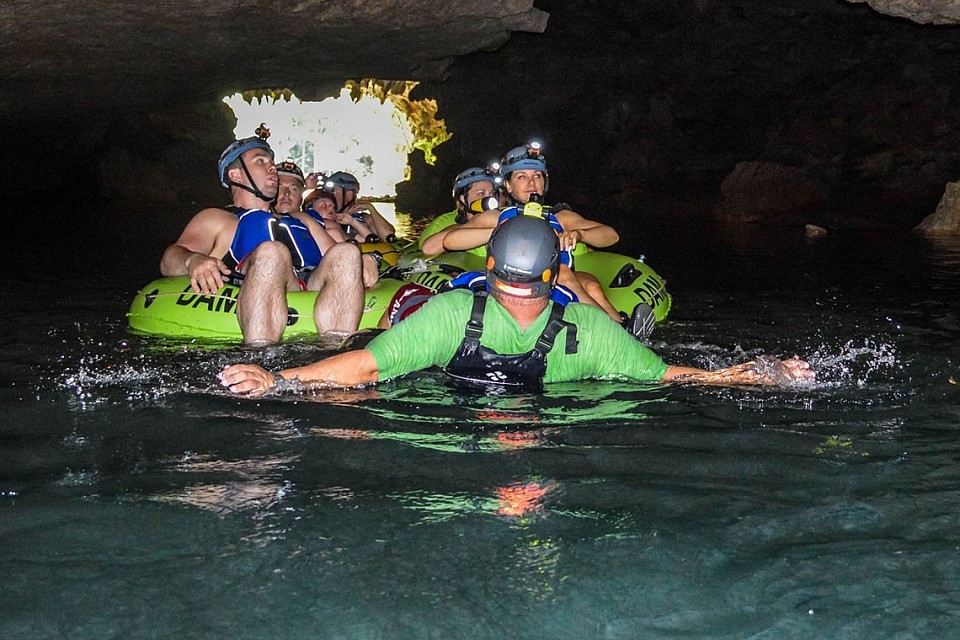
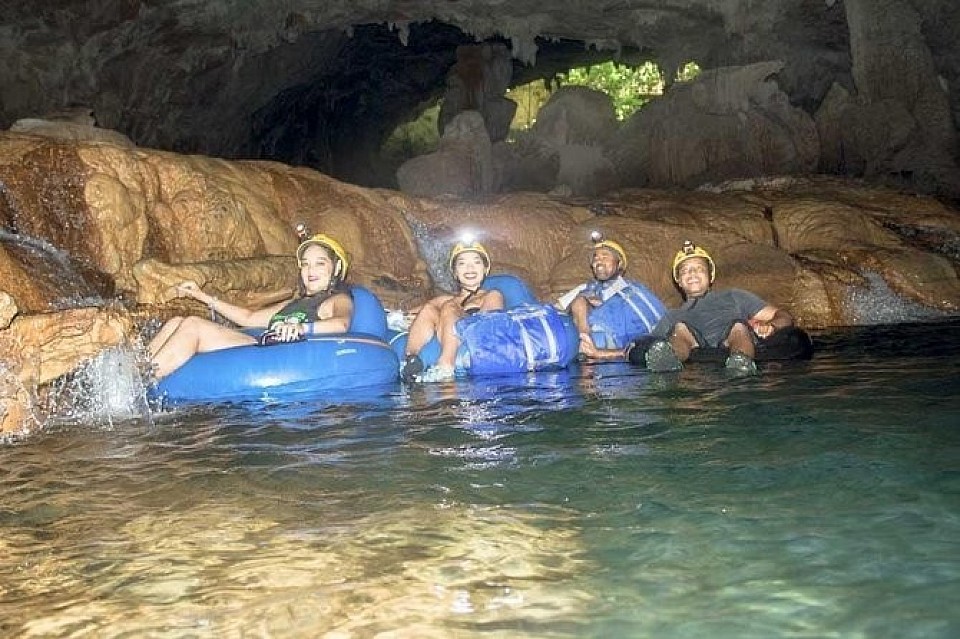
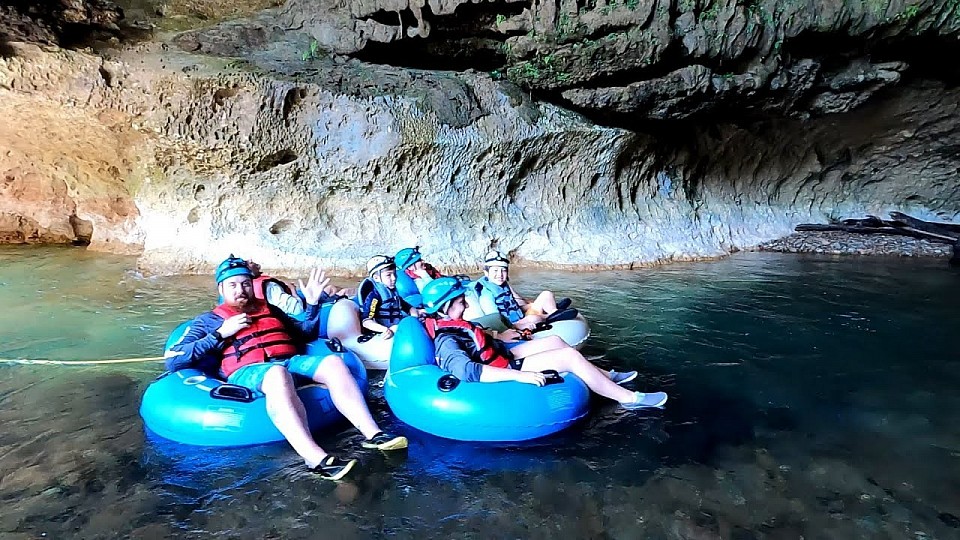
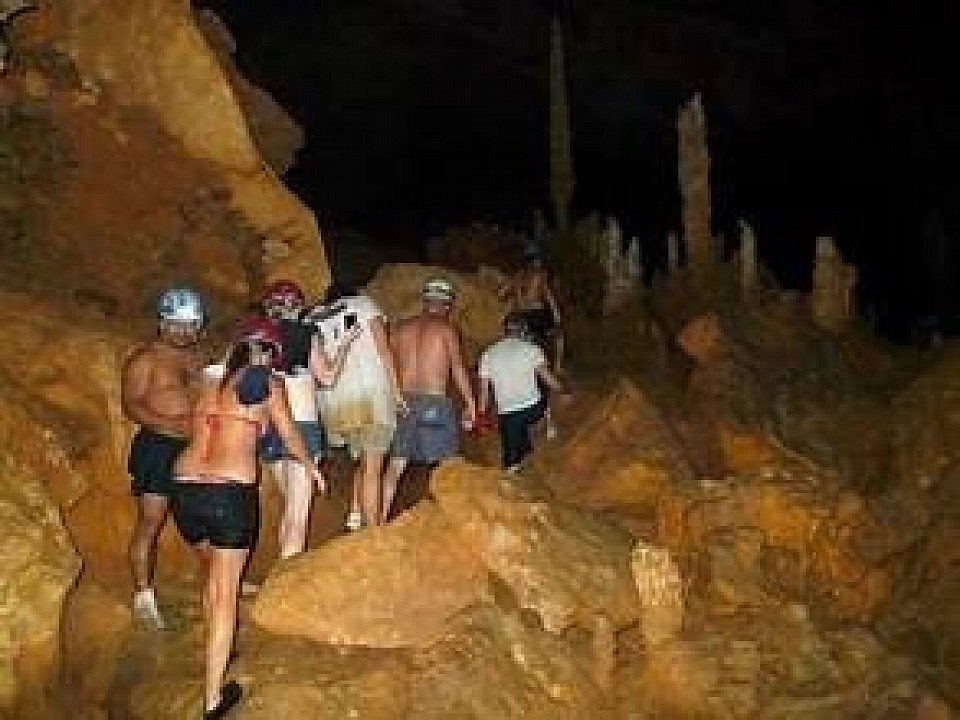
Best cave tubing in Belize is designed to last approximately 4 hours from most locations . As we drive to the Belize Cave tubing site we will be narrating the History of Belize. We will be pointing out sites of interest as well. When we arrive at the cave tubing site we will be having a short restroom break. After the break you will be issued with a headlamp, life vest, and an inner tube.
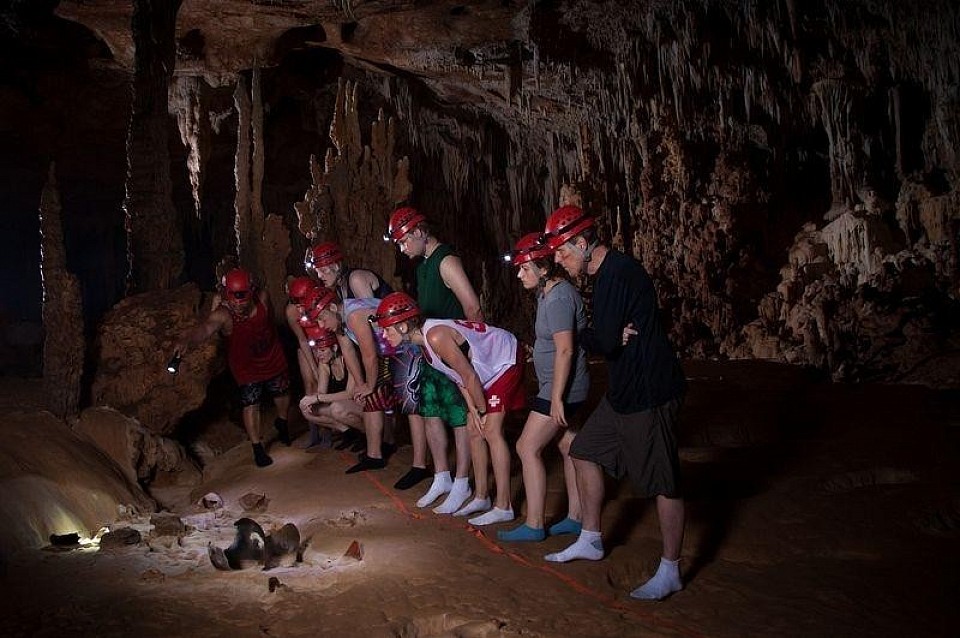
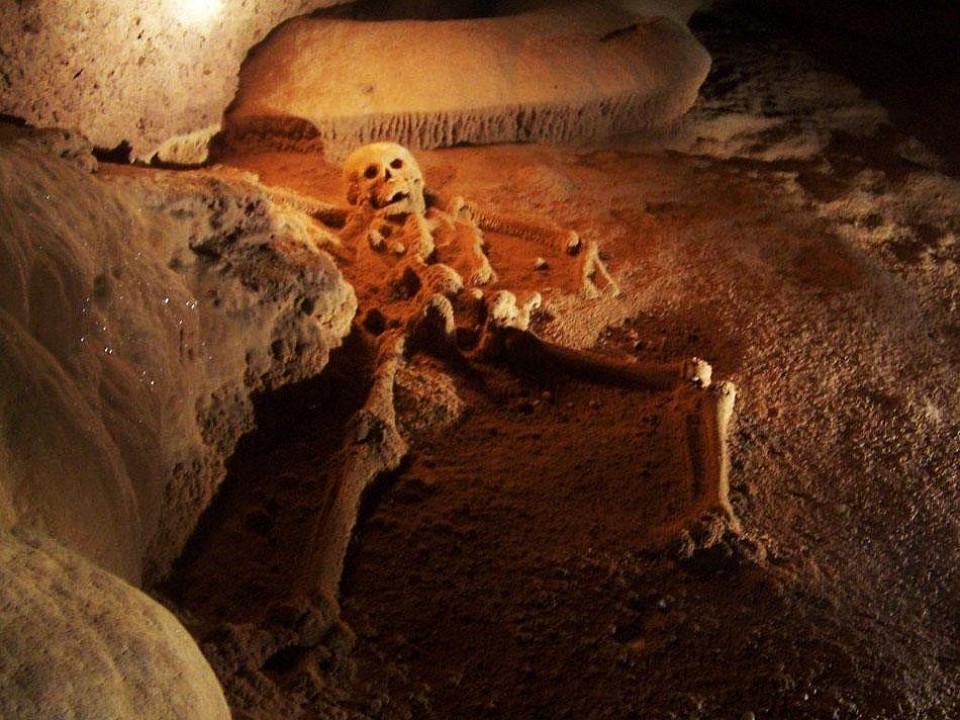
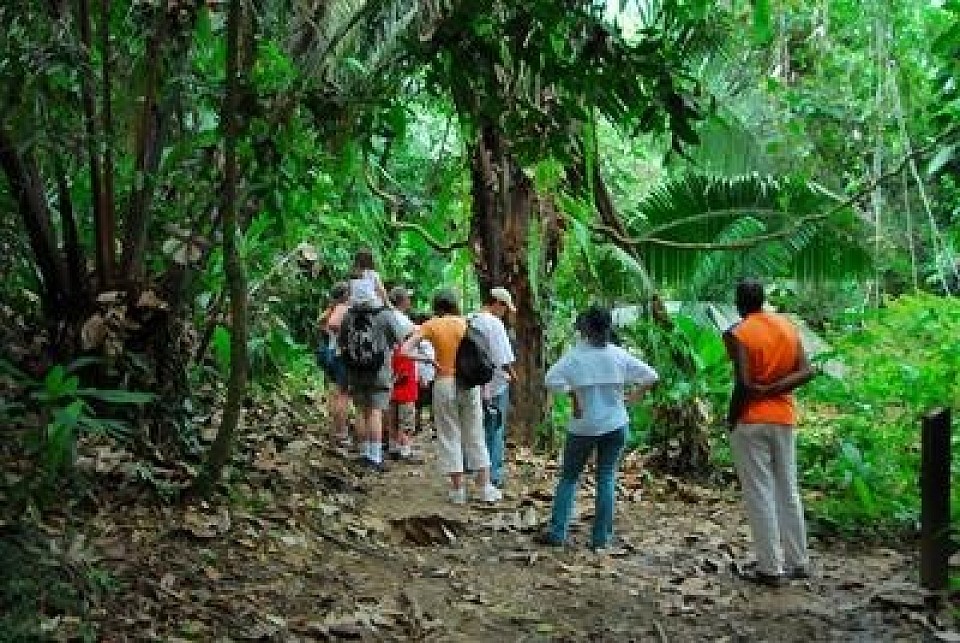
We will now start a 20 minute hike through the rain forest towards the entrance of the cave. As we hike we will be doing presentations in Medicinal Plants, Indian History, Fauna, and The Use of The Caves To The Mayan People. The tubing last approximately 1.5 hour. to 2 hours.
Cave tubing is one of the most exciting adventure tours in Belize. Located at 37 miles on the George Price Highway, makes cave tubing accessible to visitors and locals from all over the country because it is located almost at the center of the country. Cave tubing can be combined with the following activities to create a full day of adventure: zipline, Belize zoo, Xunantunich mayan ruins, jungle atv, Cahal pech mayan ruins, and jungle horseback riding. The most popular Belize cave tubing package is Belize Cave Tubing and Mayan Ruins. This is a combination of cave tubing and Xunantunich Mayan Ruins, Cave Tubing and Altun Ha Mayan Ruins, or Cave Tubing and Cahal Pech Mayan Ruins.
Kids are welcome to participate in cave tubing. Kids need to be 5 years old or 40 inches tall to participate in cave tubing.
Safety: Our cave tubing is safe. Safety is our #1 priority. To secure each group, the group is divided in groups of 8 whilst keeping the groups together. Kids are taken special care of. Depending on the group size, we assign a tour guide to the kids to ensure their safety and a peace of mind to their parent(s)
For cave tubing Wear: swim suites or shorts, bug spray, water shoes, and bring along an extra change of clothes.
Best cave tubing in Belize is offered by our tour company. Our cave tubing tour is the best cave tubing in Belize because of the safety measures we take to secure kids and adults. Our safety measures give parents a peace of mind. This is because we take special care of kids participating in our cave tubing adventure. The youngest allowed to participate in our cave tubing is 5 years old or 40 inches tall.
Ambergris Caye Travel Tips #1
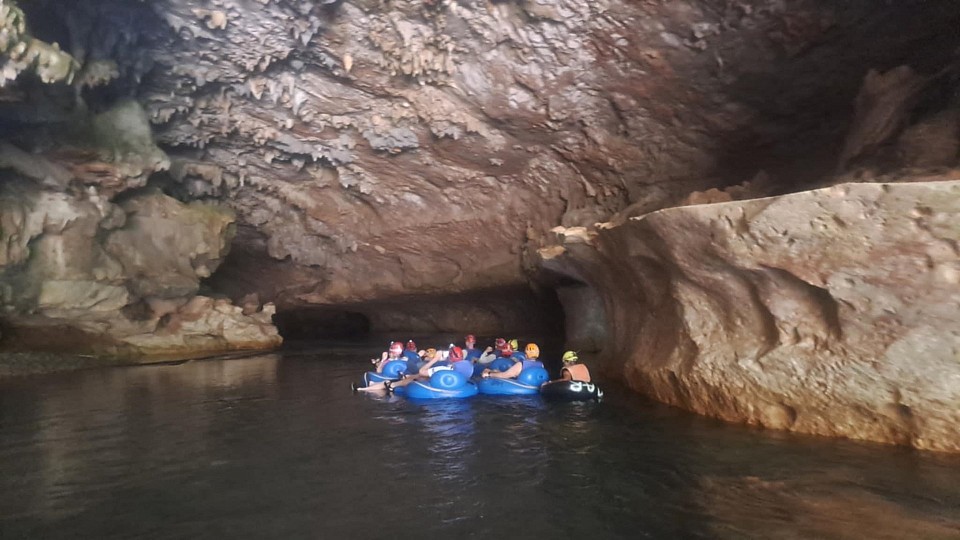
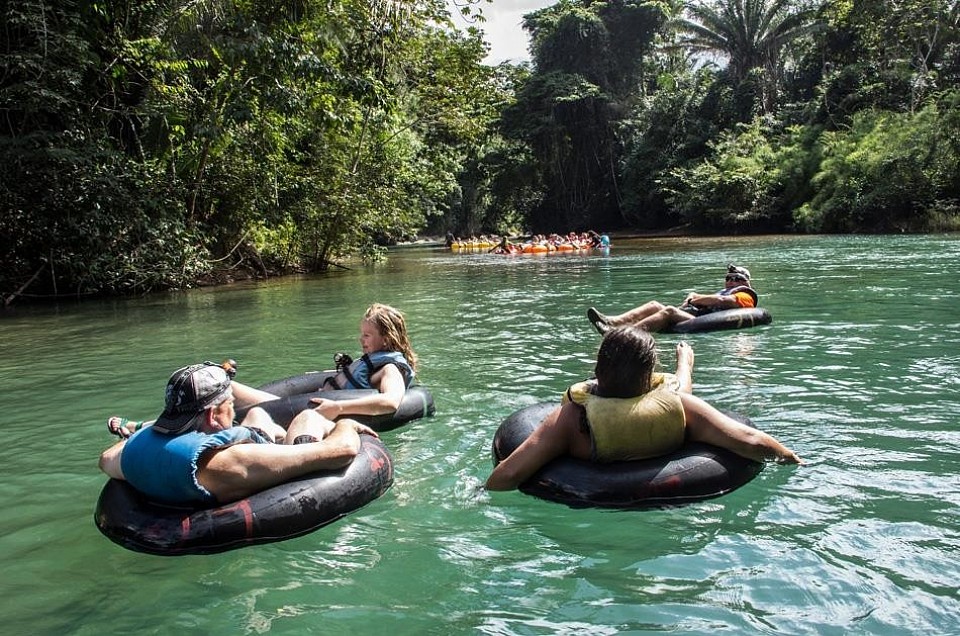
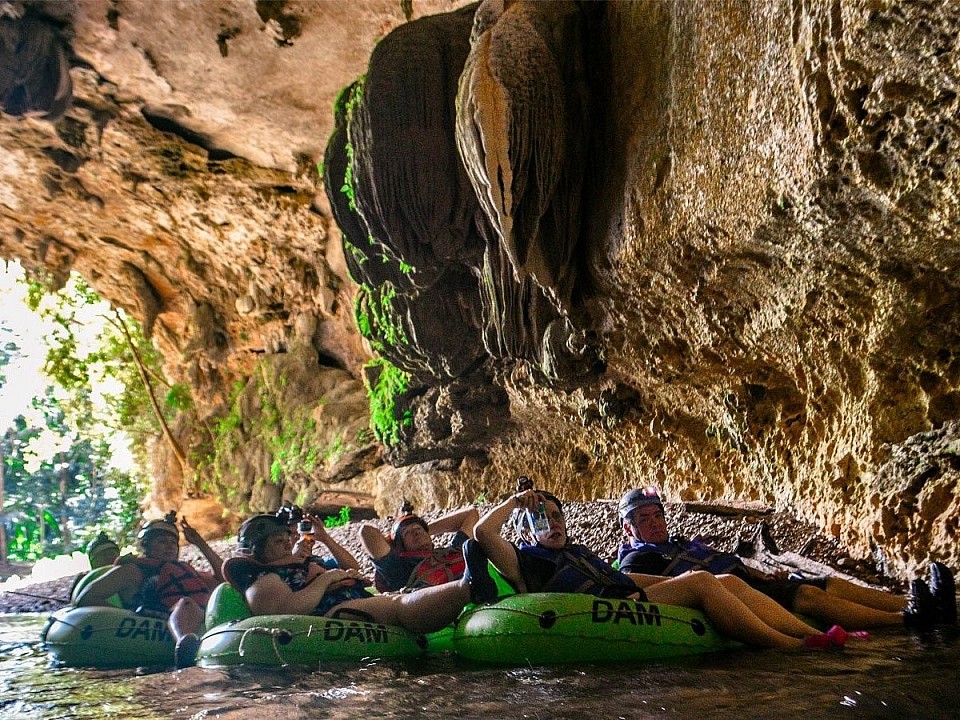
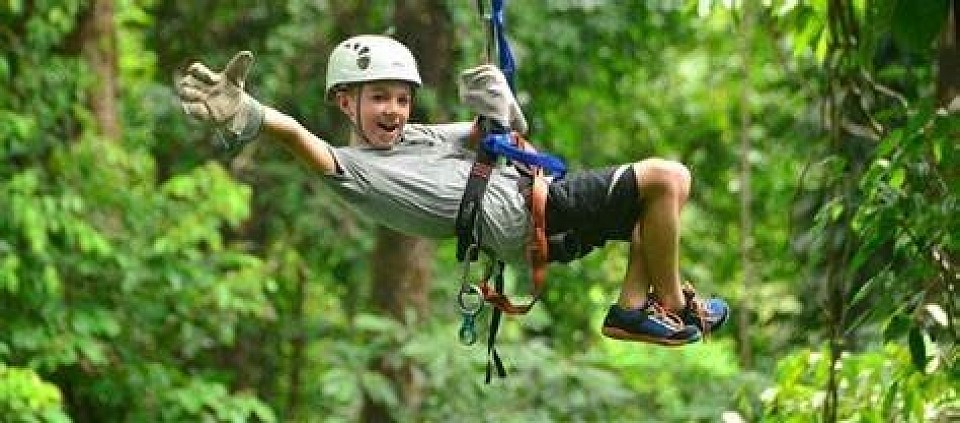
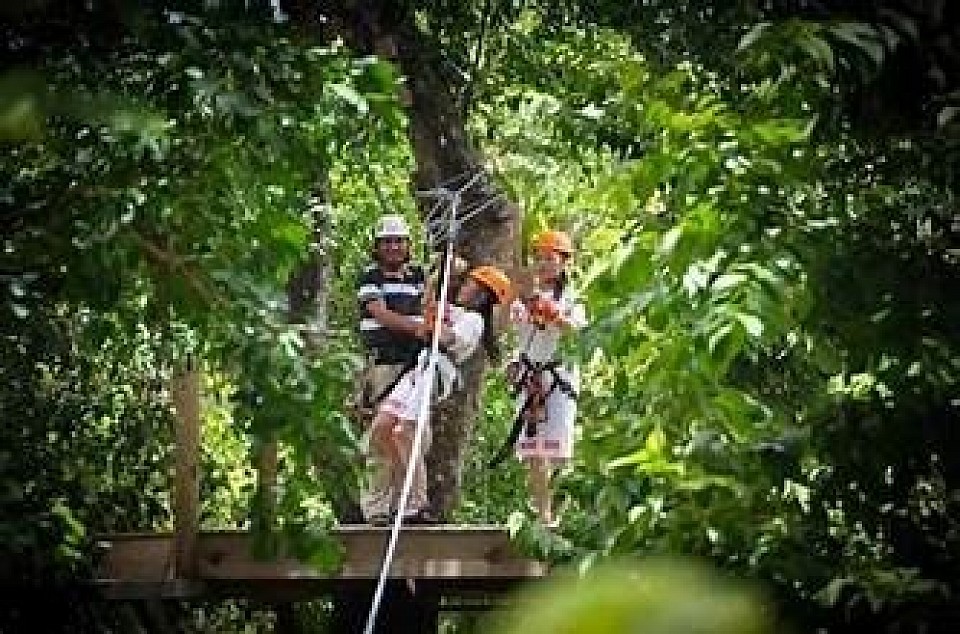
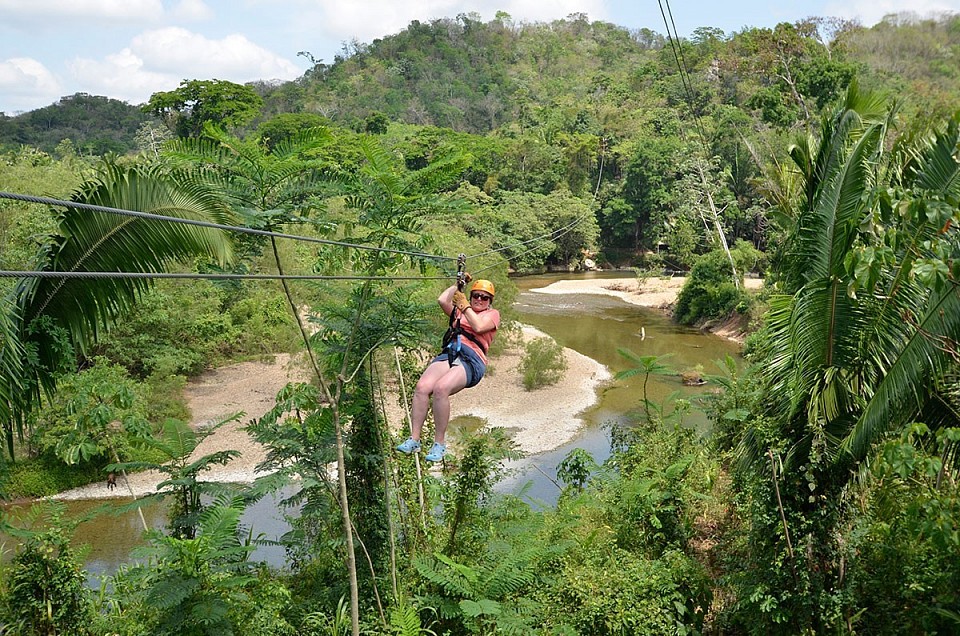
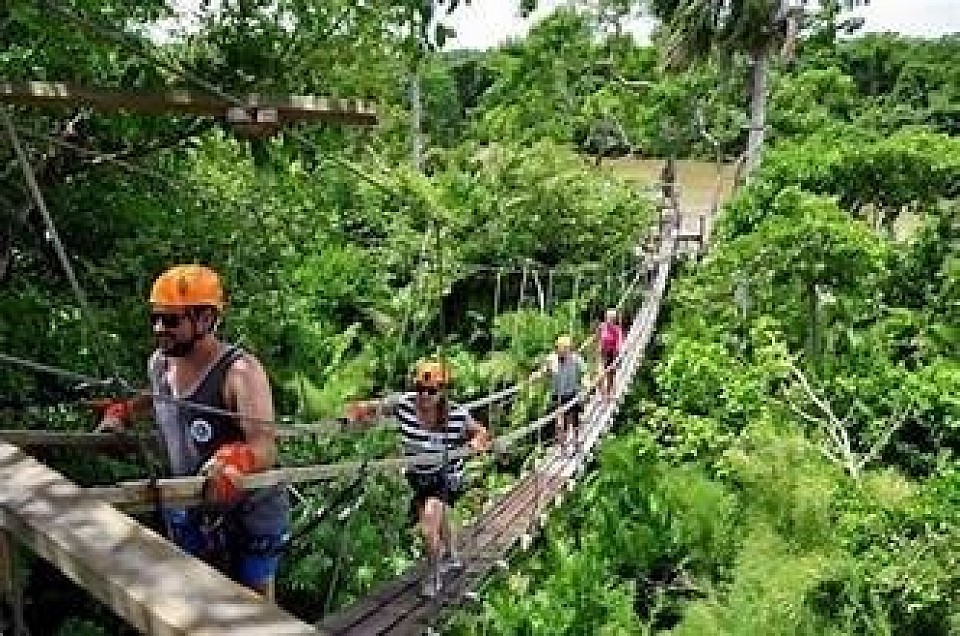
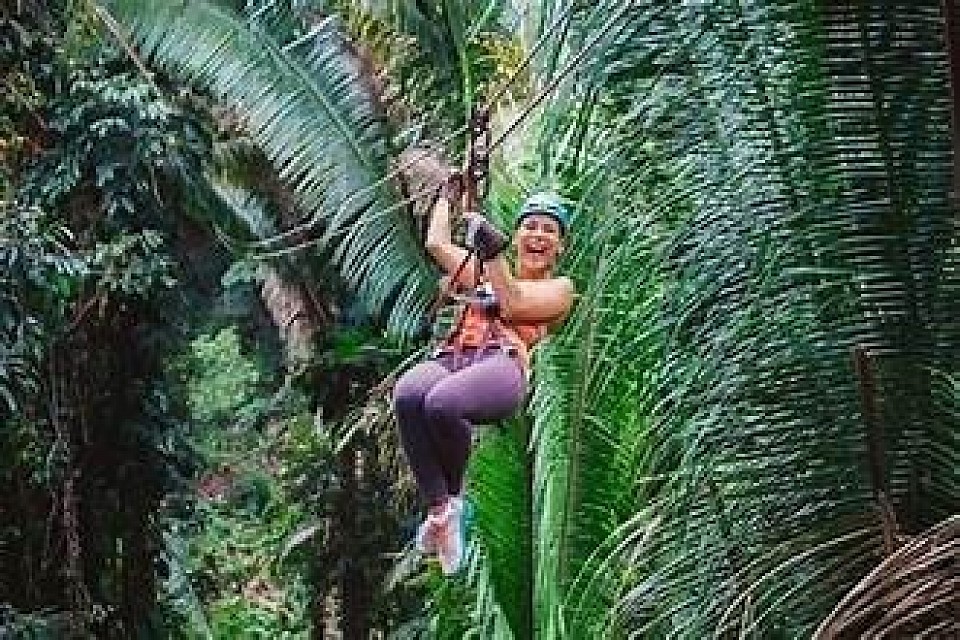
Ambergris Caye cave tubing and zipline is designed to last approximately 5.5 hours from most locations. As we drive we will be narrating the history of Belize and it’s people.When we arrive at the zipline site we will have a short restroom break. After the break we will gear you up for the zipline tour. You will be zipping through the canopy of Belize’s rain forest for approximately an hour. You will also be zipping across a river. After the zipline tour you will be issued with a life vest, a inner tube, and a headlamp. We will then start a 15 minutes hike to the entrance of the caves. As we hike we will be doing presentations on fauna, flora, and the use of the caves to the Mayan people.
The tour of the caves last approximately 1.5 hours. After the cave tubing tour we will be having rice and beans with chicken for lunch. After lunch we will be driving back to the place of tour origin.
Ambergris Caye cave tubing and zipline can be combined with the following tours to create a full day of exciting adventure: Xunantunich Mayan Ruins, Cahal Pech Mayan Ruins, Belize Zoo, and Jungle Horseback Riding. This tour package is family friendly and can be done by most age groups.
Kids need to be 5 years old or 40 inches tall to participate.
Cave Tubing and Zipline Prices:
2 persons: USD$150.00 per/ persons
4 persons: USD$110.00 per/ person
6 persons+: USD$100.00 per/ person
How We Will Meet:
Guests staying in Ambergris Caye, Caye Caulker, and San Pedro need to board one of the early water taxis/ flights to Belize City. When you arrive in Belize City your private driver/ tour guide will meet you with s sign that reads your name.
Belize Travel Tips #3
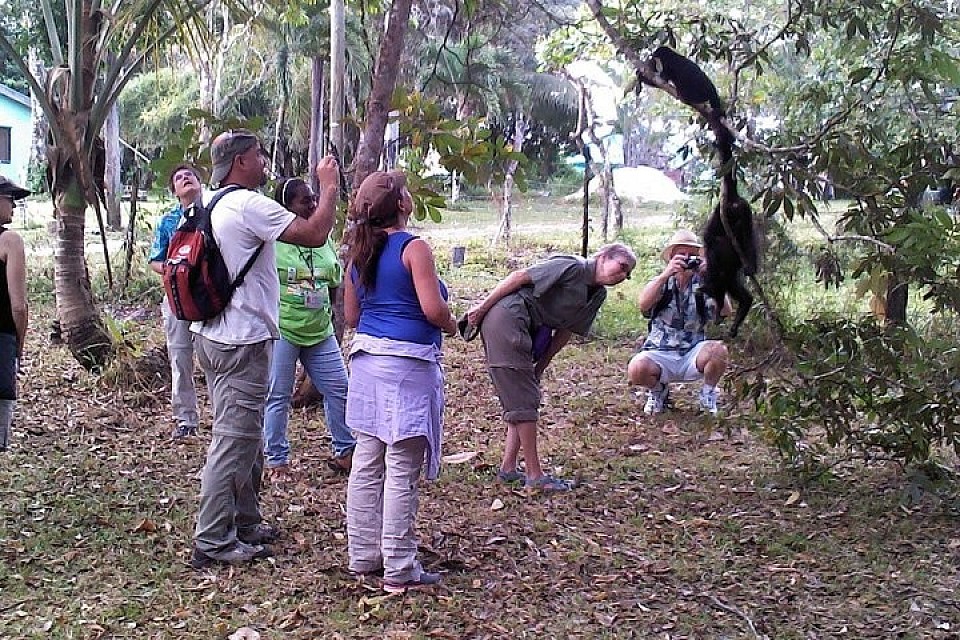
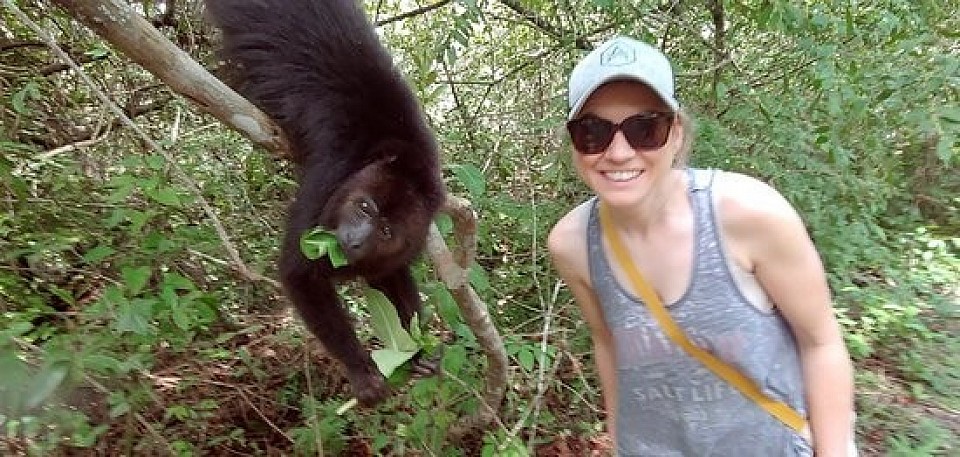
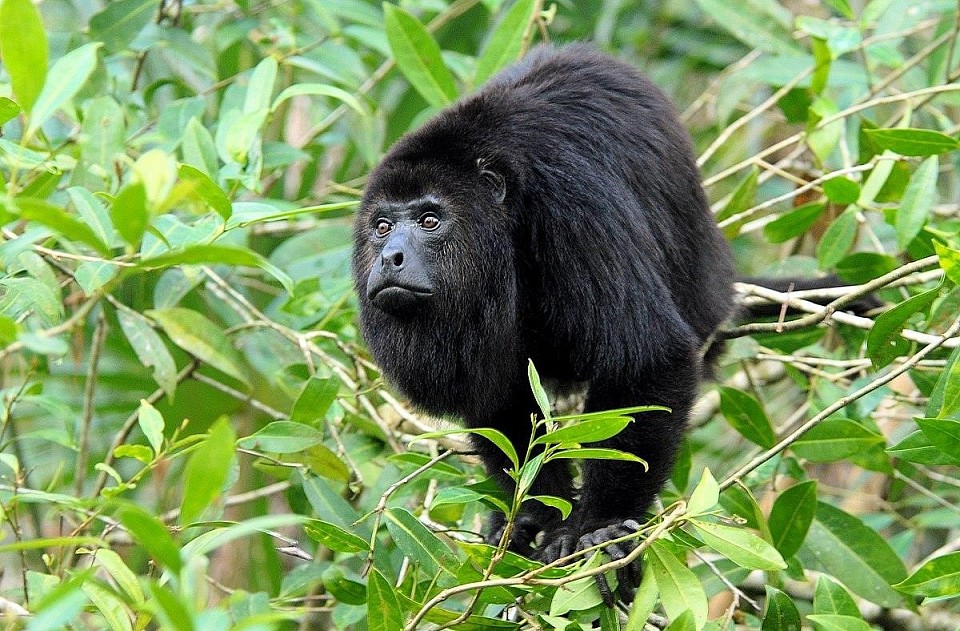
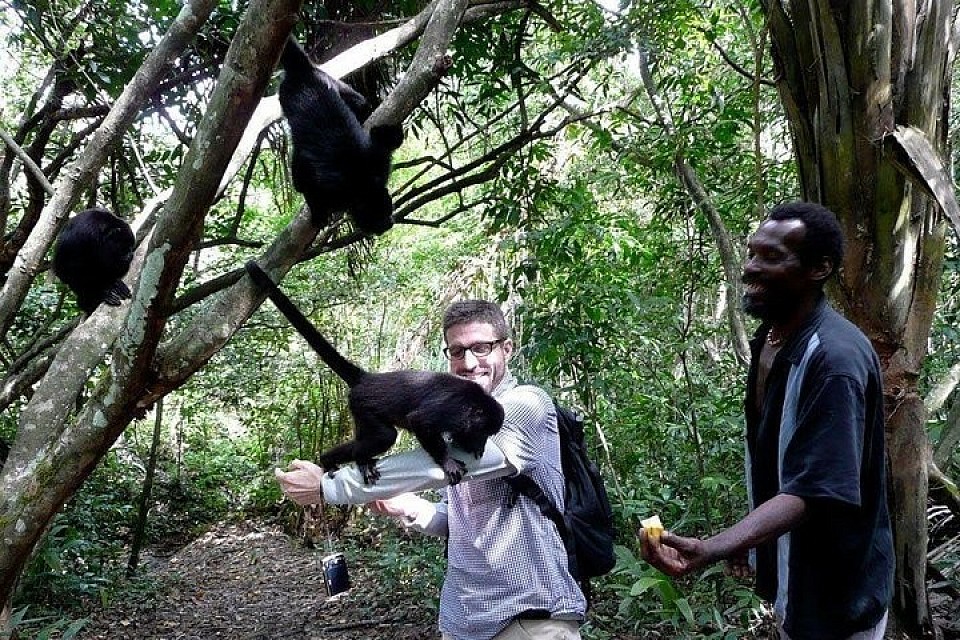
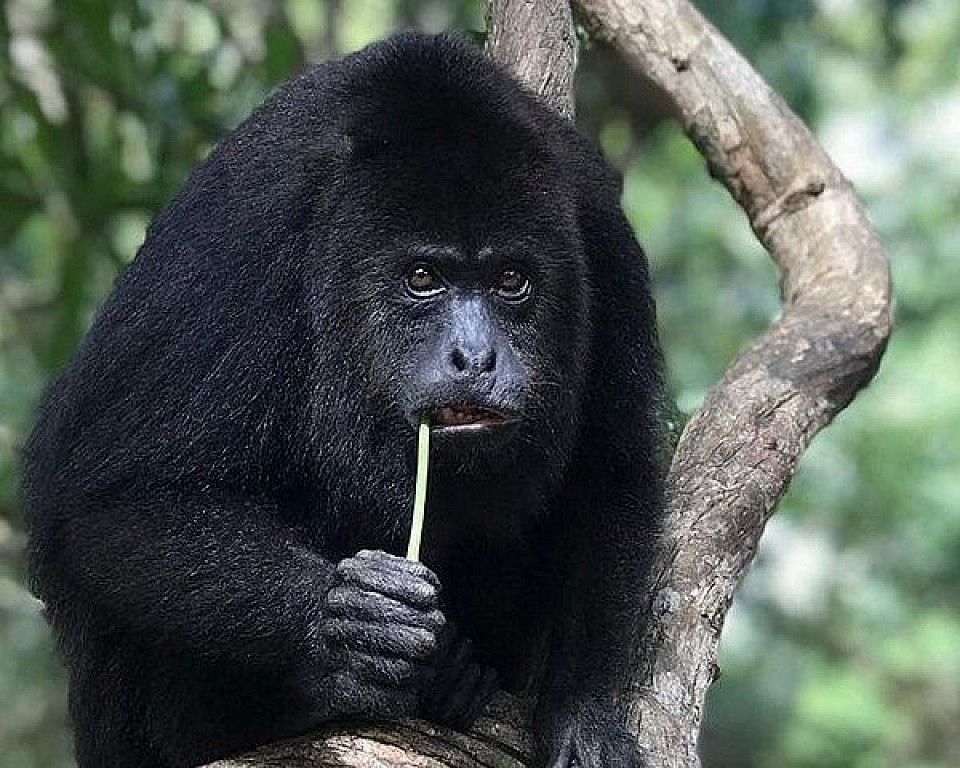
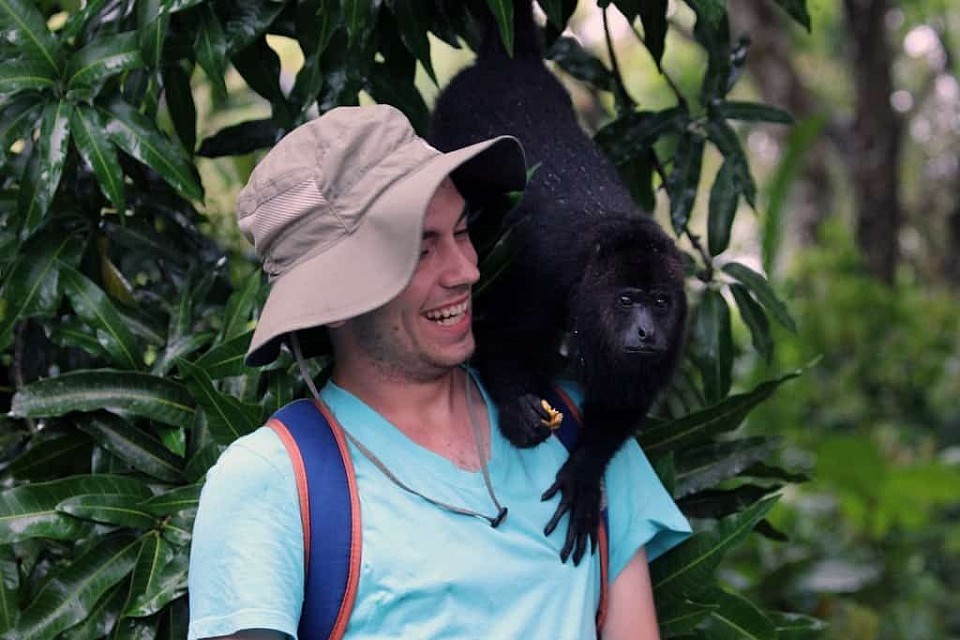
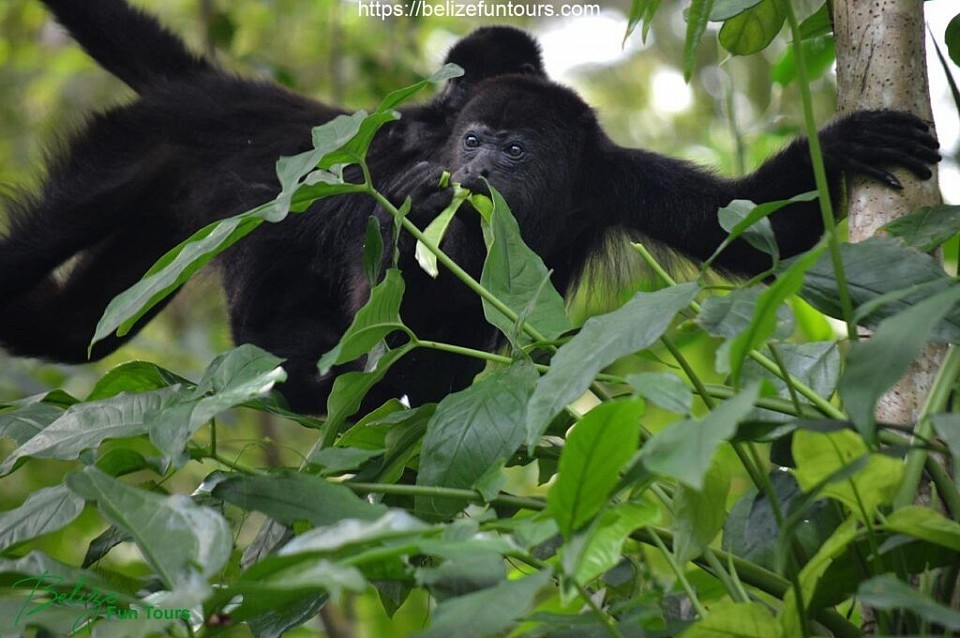
The Community Baboon Sanctuary (CBS) is a community-managed protected area in Belize that was established in 1985 to support the conservation of the Yucatán black howler monkey (Alouatta pigra), locally known as the "baboon." Spanning over 5,000 hectares along the Belize River, CBS is managed through a voluntary pledge system by landowners from seven villages in the Belize River Valley. In addition to wildlife protection, the sanctuary promotes sustainable land use, environmental education, and ecotourism as a means to strengthen local livelihoods.
The Community Baboon Sanctuary was established in 1985 through a partnership between American primatologist Dr. Robert Horwich and Bermudian Landing landowner Fallet Young. Their initiative aimed to address threats to the Yucatán black howler monkey from deforestation, hunting, and agricultural expansion. The sanctuary began with the voluntary participation of twelve landowners and has since grown to include over 200 participants across seven villages in the Belize River Valley.
CBS was founded as a grassroots conservation model, built on the premise that private landowners could maintain wildlife habitat while also pursuing their own land-use needs. Each participating landholder agreed to conserve forested areas on their property, creating a patchwork of connected habitats along the Belize River. CBS is now recognized as an IUCN Category IV protected area and has served as a model for community-based conservation initiatives in other parts of Central America and beyond.
Visit our website for tours: https://ambergriscayeluxuryresorts.simdif.com
Belize Travel Tips #2
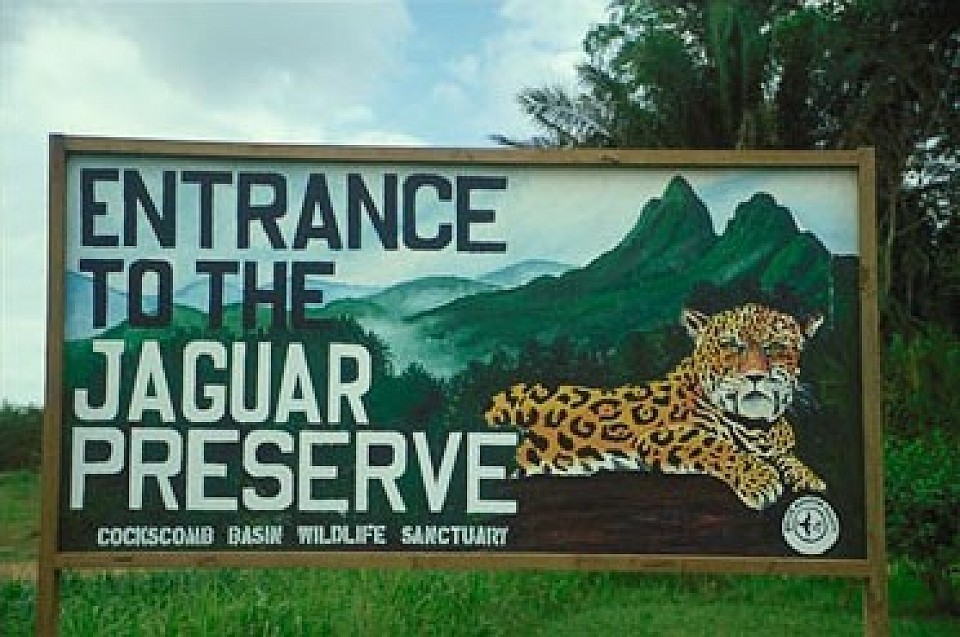
This unique sanctuary in southern Belize covers an area of about 150 square miles of tropical forest, and is the world's only Jaguar Preserve. Declared a Forest Preserve in 1984 and finally a Jaguar Preserve in 1986, the park is the culmination of many years of work and perseverance by individuals and national and international organizations. (An excellent account of the work done on the study of Jaguars prior to the inception of the park is to be found in the book, Jaguar: One Man's Struggle to Establish the World's First Jaguar Preserve, by Alan Rabinowitz, Arbor House, 1986.).
The park area is rich in beauty, wildlife and even Maya culture; a well concealed minor Maya ceremonial site known as Chucil Baluum is typical of the Classic Period The Cockscomb Mountain Range towers over the basin to the north. The highest mountain in Belize, Victoria Peak at 3,675 feet presides over the range and offers, in its largely unexplored reaches, chances for unrivaled exploration and adventure. The fine and abundant stands of mahogany and cedar have historically been in demand throughout this area and logging here provided a staple of Belize's economy for many years.
Logging and periodic hurricane damage have left their almost indelible marks on the lush but vulnerable forests of southern Belize. Dense secondary growth is interspersed with the more mature stands of trees where the forest floor is relatively clear and the canopy ranges in height from 40 to 120 feet.
Rainfall is from 100 to 180 inches annually here and most of this falls in the rainy season, which occurs from June to January. The soil, as is normal in tropical forests, is extremely poor with all the system's nutrients being contained in the vegetation. It is vital that the lush growth be allowed to remain in order to stabilize the soil and prevent erosion, which can transform a cut rainforest into a useless wasteland in a very short time. The water runoff from the surrounding mountains provides the Cockscomb Basin with a plethora of creeks and streams. These come together to form the headwaters of some of southern Belize's major rivers such as the Swasey, the Sittee and South Stann Creek.
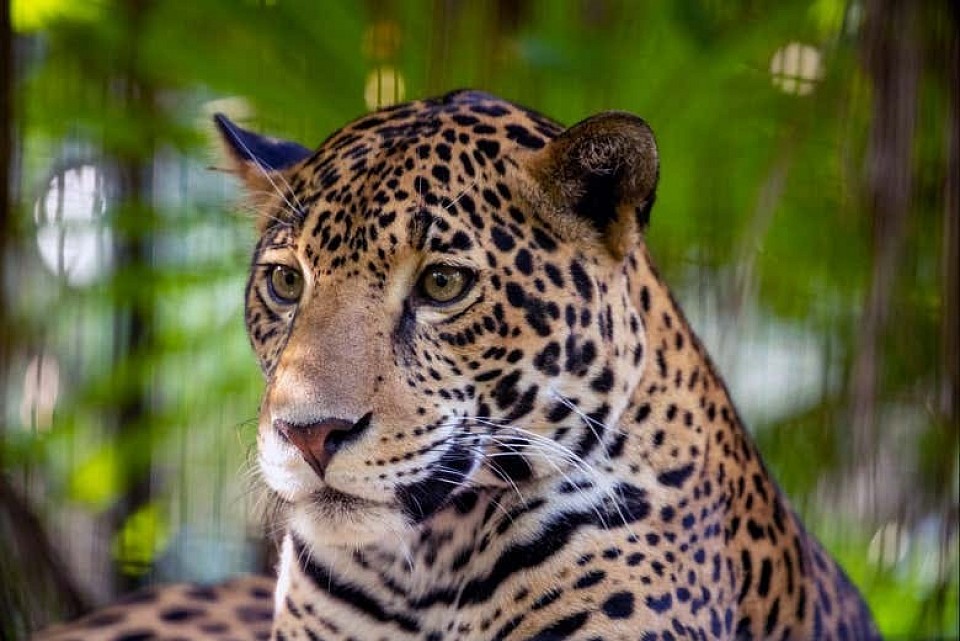
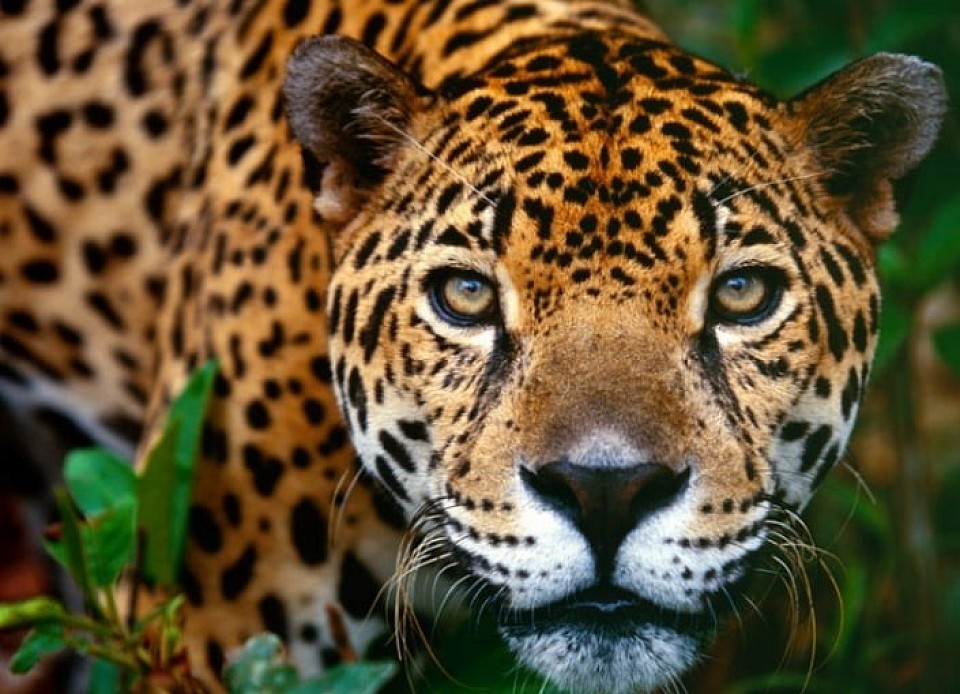
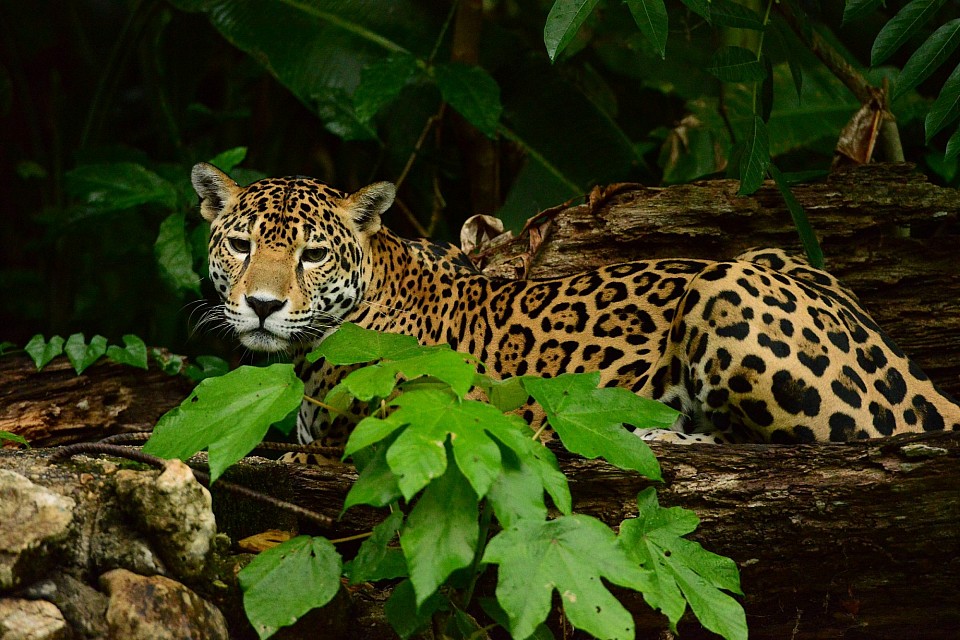
The Jaguar (Panthera onca) is the third largest member of the cat family and endangered in most of its range. Here at Cockscomb, the Jaguar is doing quite well and is by no means the only beneficiary of the safety of the preserve.
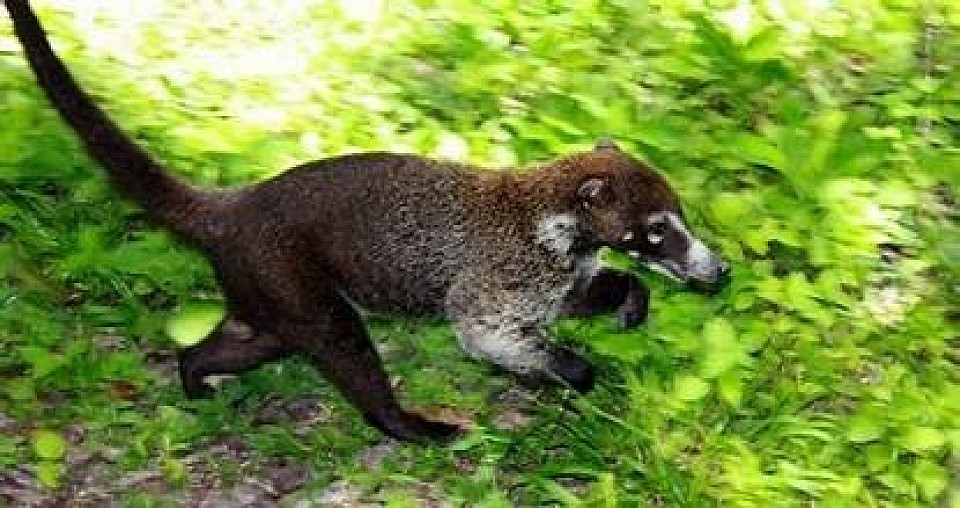
Please note that a visit to the Jaguar Preserve may likely provide you with signs of recent Jaguar activity, but it is highly unlikely that an actual Jaguar sighting will occur. These wonderful animals are masters of stealth and their very existence is based on their seeing, but not being seen. Other cats such as the Puma, Ocelot, Jaguarundi and Margay, as well as Peccary, Paca, Brocket Deer, Tayra, Otter and Coatimundi, enjoy a population density difficult to achieve in most locations.
WHAT TO SEE
No, not jaguars. They are there of course, but the chances of seeing one is about seventeen thousand to one. Having said that, people do occasionally catch glimpses of these stealthy carnivores, but much more likely, especially in the rainy season, is finding the pug marks along the muddier stretches of the trails. Jaguars are in fact found in all of Belize's reserves. The terrain is dense tropical rainforest with well maintained trails, jungle canopy to 120'. Wildlife to see includes jaguar, jaguarundi, peccary, howler monkey, gibnut, agouti, snakes, coatamundi, over 300 bird species.
Visit our website for tours: https://ambergriscayeluxuryresorts.simdif.com
Belize Travel Tips #1
Belize is a country on the north-eastern coast of Central America. It is bordered by Mexico to the north, the Caribbean Sea to the east, and Guatemala to the west and south. It also shares a maritime boundary with Honduras to the southeast. Part of the Caribbean region, Belize is a member of the Caribbean Community (CARICOM) and the Commonwealth Caribbean, the historical British West Indies.
The Maya civilization spread into the area of Belize between 1500 BCE and 300 CE and flourished until about 1200. European contact began in 1502–04 when Christopher Columbus sailed along the Gulf of Honduras. European exploration was begun by English settlers in 1638. Spain and Britain both laid claim to the land until Britain defeated the Spanish in the Battle of St. George's Caye (1798). It became a British colony in 1840, and a Crown colony in 1862. Belize achieved its independence from the United Kingdom on 21 September 1981. It is the only mainland Central American country which is a Commonwealth realm, with King Charles III as its monarch and head of state, represented by a governor-general.
Belize's abundance of terrestrial and marine plants and animals and its diversity of ecosystems, including extensive coral reefs, give it a key place in the globally significant Mesoamerican Biological Corridor. It is considered a Central American and Caribbean nation with strong ties to both the American and Caribbean regions.
Visit our website for tours: https://ambergriscayeluxuryresorts.simdif.com